Reviewing Christmas Pattern Vector Plaids for Holiday Embroidery
As a designer who has spent countless hours staring at digitized files and watching needles fly across fabric, I have learned that not every graphic translates well into thread. When I first opened Christmas Pattern Vector Plaids, my initial reaction was one of cautious optimism. We see hundreds of holiday motifs every season, but plaid patterns present a unique challenge in the world of machine embroidery. They require precision, consistent tension, and a keen eye for how geometric lines interact with the texture of cloth. This review breaks down how this specific design performs in real-world applications, moving beyond the digital preview to the tangible reality of stitched goods.
The Visual Personality and First Impressions
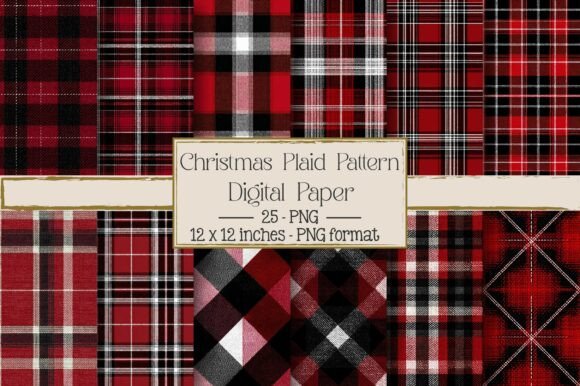
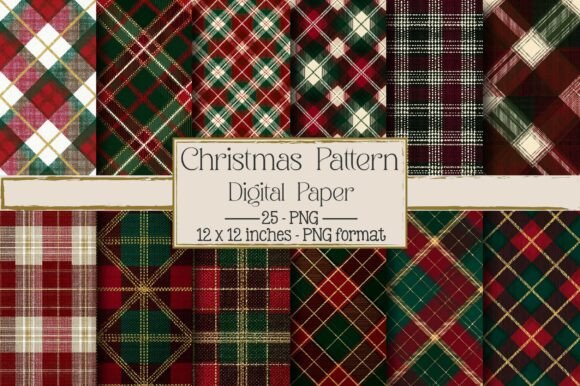
The mood created by Christmas Pattern Vector Plaids is distinctly nostalgic yet crisp. Unlike chaotic or overly busy holiday graphics, this pattern relies on structure. The intersecting lines evoke the warmth of flannel shirts, cozy blankets, and traditional winter aesthetics. From a layout perspective, the design feels balanced. It does not scream for attention with excessive detail but rather offers a sophisticated backdrop that can stand alone or support other elements.
For embroidery designers, the visual personality here is key. It feels professional and timeless. This is not a trend-chasing motif that will look dated in two years; it is a classic textile pattern adapted for the hoop. The clarity of the vector lines suggests that, if digitized correctly, the transition from screen to stitch should maintain its integrity. However, the devil is always in the details, particularly when dealing with repeating geometric shapes.
Real-World Application: The Custom Tote Bag Test
To truly evaluate Christmas Pattern Vector Plaids, I imagined a common scenario for many small shop owners: preparing a custom embroidered tote bag for a holiday market. Tote bags are often made from canvas or heavy cotton, fabrics that have their own weave and texture. Using this pattern as a full-back design or a large pocket accent requires careful consideration of stitch density.
If the design is too dense, the canvas may pucker, ruining the clean lines of the plaid. If it is too sparse, the fabric background might show through excessively, breaking the illusion of a solid pattern. In my mental simulation, this design works best when scaled appropriately for a medium to large hoop size. It serves as an excellent base for a monogram or a small applique design placed centrally. For an Etsy seller, this versatility is a major selling point. You can offer personalized gifts where the customer chooses the thread colors to match their home decor, turning a standard item into a bespoke piece.
Versatility Across Product Lines
Beyond tote bags, this pattern has significant potential in various categories. For custom apparel, such as sweatshirt embroidery, the plaid can add a touch of rustic charm without overwhelming the garment. It works particularly well on chest pockets or sleeve accents. For baby embroidery, using softer pastel thread colors can transform the traditional red-and-green plaid into something gentle and nursery-appropriate for blankets or bibs.
Consider also the use of this design for embroidered patches. A patch allows you to test the design on a stable backing before applying it to a curved surface like a cap. Caps are tricky due to the curvature and the stretchy nature of some front panels. Here, the geometric nature of Christmas Pattern Vector Plaids demands high-quality stabilizer usage to prevent distortion. If the lines warp, the entire aesthetic fails. Therefore, this design is better suited for flat items like pillow covers, tea towels, or aprons unless you have advanced experience with 3D puff or curved hooping techniques.
Technical Considerations and Fabric Choices
When working with any patterned design, fabric texture plays a massive role. On smooth fabrics like broadcloth or polished cotton, the satin stitch or fill stitch elements of the plaid will pop with high definition. However, on textured fabrics like wool blends or linen, the intricate lines might get lost in the weave. I recommend testing the design on scrap fabric first, specifically matching the weight and texture of your final product.
Thread color contrast is another critical factor. A plaid pattern relies on the interplay of different shades. If you choose thread colors that are too similar in value, the pattern will look muddy. Use a black and white mockup to check the contrast before threading your machine. Additionally, pay close attention to stitch density. High-density areas can cause thread breaks or needle heat, especially with metallic threads often used in holiday embroidery. Adjusting your tension and using a fresh needle is non-negotiable for crisp results.
Commercial Viability and Brand Consistency
For craft business owners and digital product sellers, the commercial viability of Christmas Pattern Vector Plaids lies in its adaptability. It fits seamlessly into boutique branding that values tradition and quality. It enhances the perceived value of a handmade product because it looks intentional and well-crafted, rather than slapped on. Customer trust is built on consistency, and a clean, well-executed plaid signals professionalism.
However, before listing finished items or digital embroidery files, you must confirm licensing terms. Not all designs allow for unlimited commercial use. Check whether the license covers mass production or if it is limited to small batch handmade sales. This due diligence protects your small shop product line from legal issues and ensures you can confidently market your work.
Practical Designer Notes for Success
- Test on Scraps: Always run a test stitch-out on the actual fabric you intend to use. This reveals issues with puckering or thread breaks.
- Check Stabilizer: Use a cut-away stabilizer for stretchy fabrics and a tear-away for stable woven fabrics to support the geometric lines.
- Monitor Density: Inspect the stitch count and density settings. If the file is too dense, consider using a lighter weight thread or adjusting the underlay.
- Color Strategy: Plan your thread colors carefully. High contrast creates a bold look, while low contrast offers a subtle, elegant vibe.
- Hoop Size: Ensure your hoop size accommodates the full pattern without needing to re-hoop, which can cause alignment errors in repeating patterns.
In conclusion, Christmas Pattern Vector Plaids is a strong contender for your holiday design assets. It offers a blend of traditional charm and modern cleanliness that appeals to a wide audience. By respecting the technical requirements of geometric embroidery and choosing the right materials, you can create stunning finished products that stand out in a crowded market. Whether you are making personalized gifts for friends or stocking your Etsy shop, this pattern provides a reliable foundation for creative expression.